
Quick answer
Sunbae (선배, also written seonbae) describes someone senior to you in a shared setting, such as a school club or field of work. Sunbaenim (선배님) is a respectful way to address that person. From their perspective, a later member is a hubae (후배).
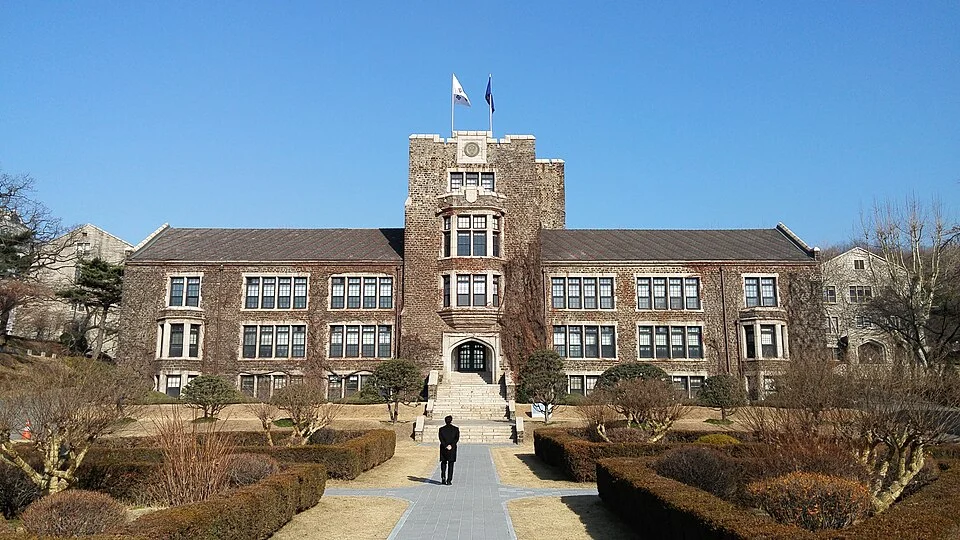
What makes someone your sunbae?
Imagine that you join a university film club in September. Minji joined the previous year and already knows how to book equipment and run screenings. Within the club, you could describe her as your sunbae, and she could describe you as her hubae. Even a member who is your age can be your sunbae if they joined earlier. An older stranger on the subway has no such shared relationship with you.
What would I actually say?
- 동아리 선배예요. (Dongari seonbaeyeyo.) “They’re a senior member of my club.” Here you are describing the relationship to someone else.
- 선배님, 안녕하세요. (Seonbaenim, annyeonghaseyo.) “Hello.” Here you are greeting the person directly. -nim (님) adds respect that a plain English greeting may leave implicit.
- 제 후배예요. (Je hubaeyeyo.) “They’re my junior.” This describes someone who joined later. Listen for how members actually address one another before copying a label.
Does it work the same way in an office?
A coworker who started earlier might be described as a sunbae. In conversation, the team may use job titles, names plus -nim, or another agreed form of address. At a new office, listen to an introduction or ask a teammate what people call each other. You can use 안녕하세요 on its own for a first greeting.
What can a subtitle leave out?
In an imagined drama scene, a new club member says “선배님, 안녕하세요” to the organizer. An English subtitle might show only “Hi.” The Korean line tells you who is senior in that setting and how the speaker is choosing to address them. In the next scene, listen for whether the same character still uses the title when they are away from the club.
In photos
Related videos
- When to use honorifics or polite words
Talk To Me In Korean. A lesson on how the speaker’s relationship with the listener shapes polite Korean.
Related terms: sunbae, seonbae, sunbaenim, seonbaenim, 선배, 선배님, 후배, hubae, hoobae
Sources and image credits
- A university campus is one setting where students may use sunbae and hubae. Christian Bolz /CC BY-SA 4.0 / Resized
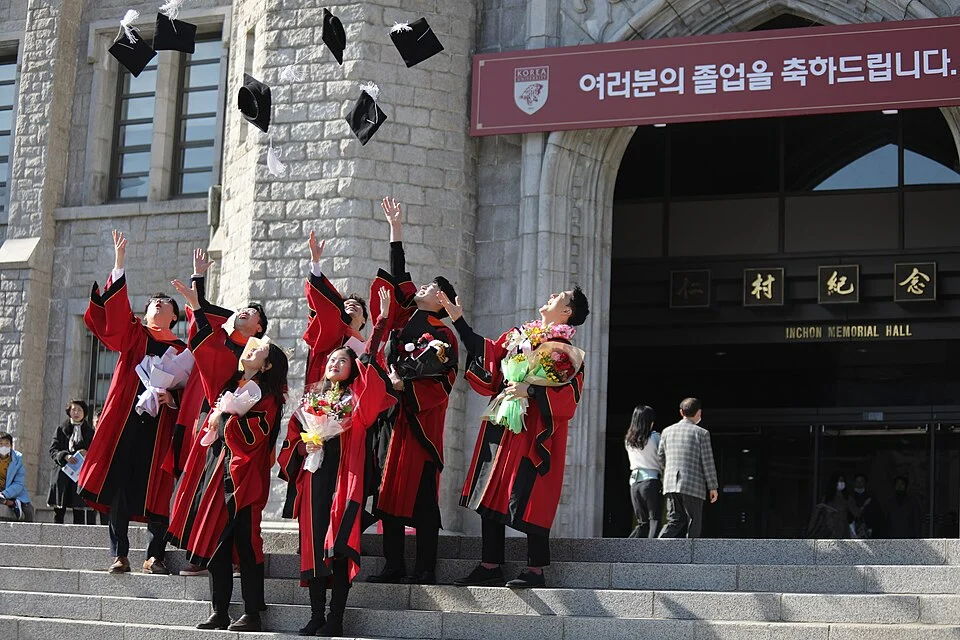
- At university, an earlier cohort can include students and alumni. Korea University Business School /CC0 1.0 / Resized
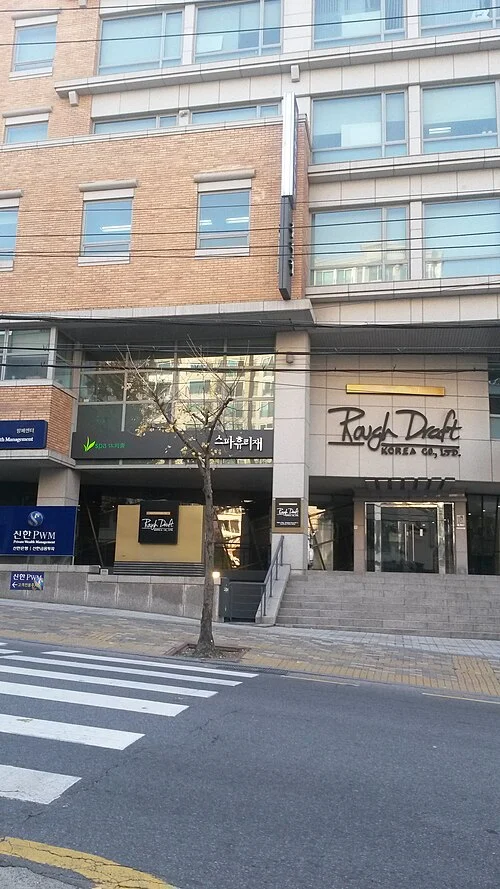
- Office forms of address vary by team. The photo shows a workplace in Seoul. Estheim /CC BY-SA 4.0 / Resized


