
Quick answer
Pick a triangle gimbap and a drink when you need a breakfast you can carry. Choose a boxed meal if you have a microwave and a place to eat, or cup ramyeon if you have hot water and time to sit down.
What should you buy when you have ten minutes?
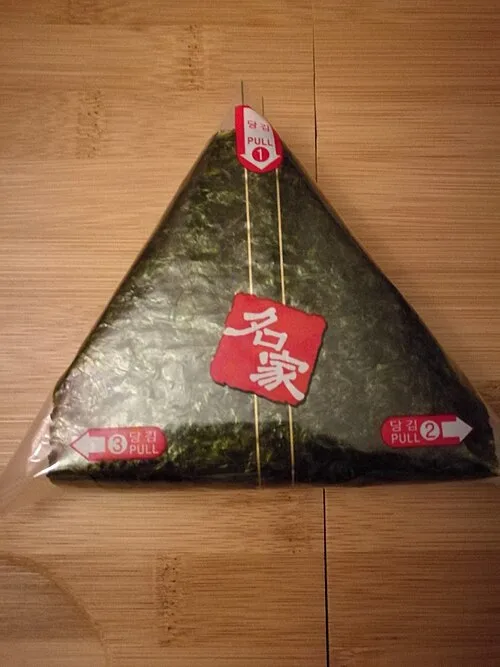
A triangle gimbap, or samgak gimbap (삼각김밥), and a drink are an easy first breakfast when you need to keep moving. The rice and filling are packed together in a seaweed wrapper. Read the filling name on the front and check the ingredients on the back before paying. If you have another train later in the day, buy a second unopened item only if you know how you will store it and when you will eat it.
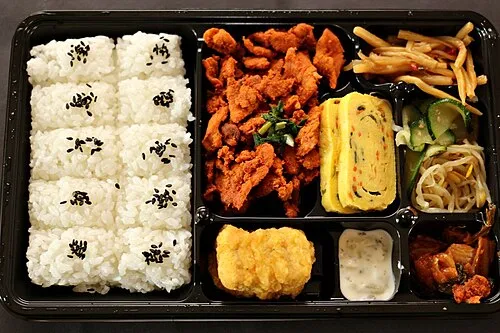
At a branch with seating, a boxed meal called dosirak (도시락) can be a better fit if you want a larger breakfast. Cup ramyeon works when you have hot water and time to sit down. Those choices depend on what the branch has available and what the packaging asks you to do. A shop can sell food without providing seating or all the equipment you need to eat it there.
How do you open triangle gimbap?
Look for numbered tabs. On the common three-tab wrapper, pulling the first strip separates the plastic across the middle. Pull the side tabs in order so you can slide the plastic away from each side and keep the seaweed around the rice. Hold the rice gently as you pull. If a corner of seaweed catches on the film, slow down and support it with your fingers.
If your package has different instructions, follow those numbers. Start unwrapping when you are ready to eat so the seaweed keeps its texture. A bench or an eating counter gives you a place to catch the wrapper pieces. Keep a napkin handy if the filling has sauce, especially when you will carry a bag or handle a ticket immediately afterward.
When is a boxed meal worth buying?
Choose a boxed meal when you want rice and several side dishes and have somewhere to sit. Compare trays by looking at what takes up most of the space. The package photo can make the main protein easy to spot, but the tray tells you what to expect from the portions. If you will be walking for several hours, that can matter more than picking the meal with the longest list of ingredients.
Check the heating directions first. A tray may have a separate sauce packet or a lid that needs to be opened or taken off before heating. Read the time and wattage on the package, since the microwave might differ from the one at your accommodation. If the instructions are unclear, ask whether you can heat it there and show the package to the cashier.
What should you check before buying cup ramyeon?
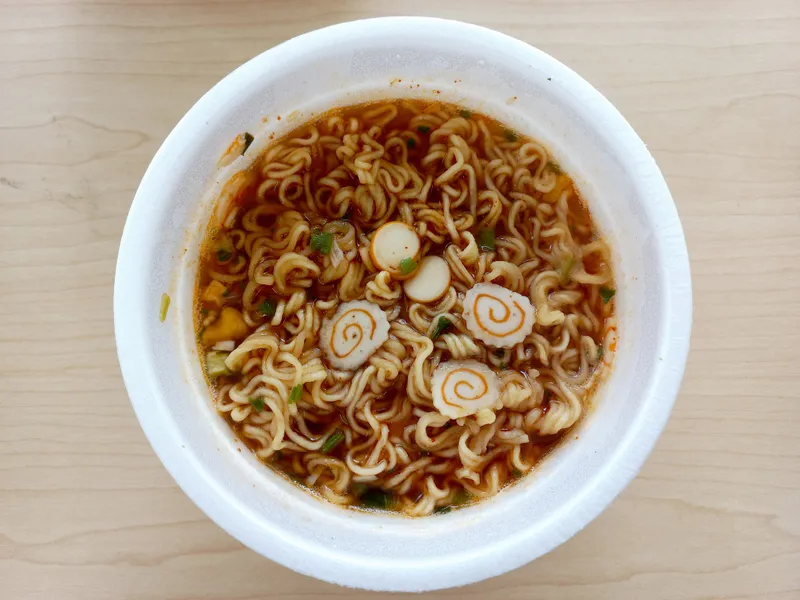
Check whether the instructions call for hot water or microwave preparation. Look at the water line, then check when the seasoning goes in. A noodle cup that tells you to drain off water works differently from one meant to remain soupy. Make the distinction before you start, especially if you have a small counter and no sink nearby.
For a milder breakfast, check the product name and any heat scale on the container. Color is a poor guide on its own. If you have a dietary restriction, a picture of vegetables on the front gives you little information about the seasoning packet. Check the ingredients and allergen statement on the actual product. If you cannot establish what it contains, choose another item with a label you can read.
How would you choose at Seoul Station?
Before an early train, decide whether you can finish the food before reaching the platform. Take triangle gimbap if you want a simple hand-held option. Choose a boxed meal if you have time to heat it and sit down. Save hot noodles for a stop where you can eat without rushing or carrying a cup of broth through the station. For more Korean convenience-store choices outside breakfast, see our guide to convenience-store meals.
How do you make the order work without guessing?
A useful question is 여기서 먹어도 돼요? (“May I eat this here?”). If you need to heat a meal, ask 이거 데워도 돼요? (“May I heat this?”) while pointing to the package. Show the cashier the instructions if you are unsure which part to remove. At a busy shop it is easier to ask a short question about one item than to explain the whole breakfast you had planned.
If you cannot find a place to sit, change what you buy before opening it. A rice snack can travel with you to a nearby place that permits eating. A cup you have just filled with hot water leaves you with fewer options. If you are meeting somebody who ordered a hot meal, choose a place to eat together before separating to line up at the microwave or buy drinks.
There is no need to select every item from the same shelf. Pair the rice or noodles with a drink you already know you like if you are trying a new filling. If you are sharing food, keep the packages until everyone has checked their own ingredients. A seemingly minor difference between two flavors can change which sauces and seasonings each one contains. Finish by looking for the store’s disposal instructions for wrappers and leftover broth.
In photos
Sources and image credits
- A packaged dosirak sold in a Korean convenience store 꿀팁걸 /CC BY 4.0 / Resized
- A triangular samgak gimbap rice snack Teemeah /CC BY-SA 3.0 / Resized
- Cup ramyeon comes with preparation directions on its packaging. Kimhs5400 (Nuriwiki) /CC BY-SA 4.0 / Resized


